




Archive
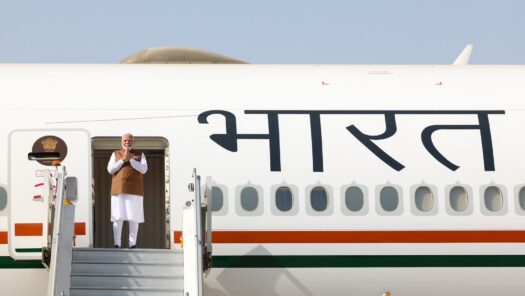
Embrace the Gulf but Engage Iran: How India Has Navigated the War
After over a month of conflict, the U.S.-Israel-Iran war entered a two-week pause on April 8. Across this period, India has been significantly impacted given its reliance on Gulf Arab states for its crude, natural gas and fertilizer needs. The…
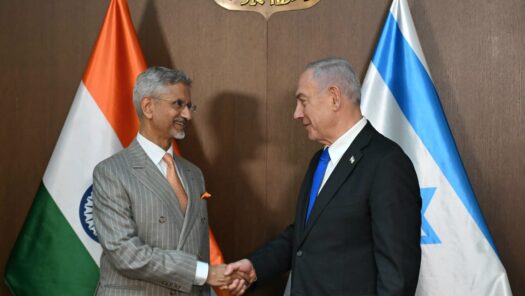
Walking the Tightrope: India in the U.S.-Israel-Iran Fire
The U.S.-Israel-Iran conflict, notwithstanding the temporary ceasefire, has once again drawn India into complex diplomatic terrain that demands restraint. Official statements from India’s Ministry of External Affairs have remained consistent, including expressions of “deep concern,” calls for de-escalation, and emphasis…

चागोस द्वीपसमूह एवं हिंद महासागर का सैन्यीकरण
"डिएगो गार्सिया को किसी को मत दीजिए," अमेरिकी राष्ट्रपति डोनाल्ड ट्रंप ने 19 फ़रवरी को चेतावनी दी, जब यूनाइटेड किंगडम चागोस द्वीपसमूह की संप्रभुता मॉरीशस को हस्तांतरित करने की योजनाओं के साथ आगे अग्रसर हो रहा था। तथापि चागोस द्वीपसमूह…
Co-Producing National Belonging and Security
The Shree Mata Vaishno Devi Institute of Medical Excellence (SMVDIME), a government-run Medical College in Jammu, recently became the subject of national controversy after admitting its inaugural class of medical students. Managed by the statutory, non-religious body Shree Mata Vaishno…
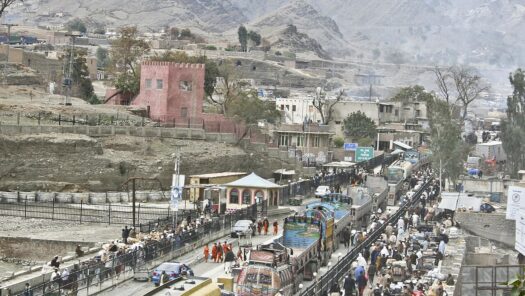
SAV Collection: Pakistan and Afghanistan at War
South Asian Voices editors have collected recent pieces discussing the conflict and the broader relationship between Pakistan and Afghanistan.
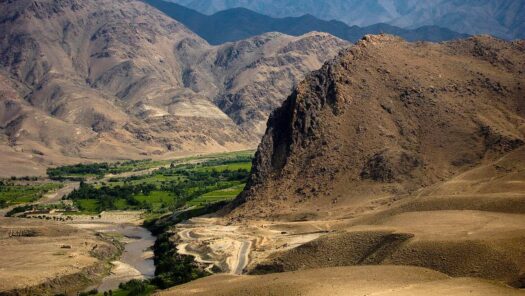
Beyond Bombing: Pakistan’s Sanctuary Problem in Afghanistan
Pakistan’s ongoing airstrikes in Kabul and Kandahar on Tehreek-e-Taliban Pakistan (TTP) and Taliban targets has marked a significant escalation in Islamabad’s post-2021 Afghanistan policy. Since the Taliban’s return to power, Pakistan largely relied on border controls and diplomatic pressure to…