




Corruption
Return to article
Nepal in 2025: A New Dawn?
The political unrest of 2025 marks yet another milestone along the wending path of democracy within Nepal’s recent history.

Sri Lanka in 2025: Navigating Systemic Change, a Natural Disaster, and a Political Test for the NPP Government
The fallout from Cyclone Ditwah represents a major challenge for the NPP administration's governance reform agenda.

Nepal’s Political Dysfunction: Corruption, Exclusion, and Transactionalism
When Gen Z activists poured onto the streets of Kathmandu on September 8, Nepali state forces opened fire, killing at least 19 people and injuring nearly 300. In response to this violence, protests intensified the following day, and Prime Minister…

Nepal’s Unfinished Economic Reckoning
On September 8, more than 19 young Nepalis were killed during confrontations with security forces at the gates of the parliament in Kathmandu. What began as spontaneous protests triggered by a social media ban—but rooted in deep frustration over corruption…

The Path Forward for Pakistan’s Energy Transition
Recently, the Pakistani government severed longstanding contracts with private companies producing power, known as Independent Power Producers (IPPs), in a bid to tackle the issue of expensive electricity in the country. The IPP’s heavy dependence on burning imported fossil fuels…
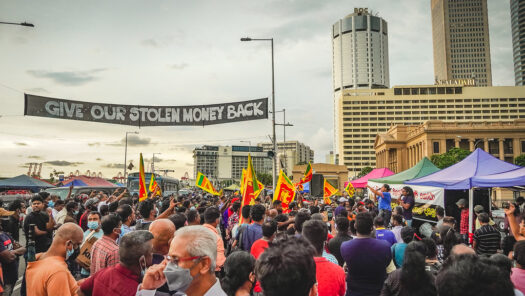
A New Era in Sri Lanka?: Implications of Dissanayake’s Presidency
Anura Kumara Dissanayake, leader of the leftist National People’s Power (NPP), rode a popular anti-establishment vote to power in last weekend’s Sri Lankan presidential election. The election, the first to be held at any level in the country since 2020,…