




Governance
Return to article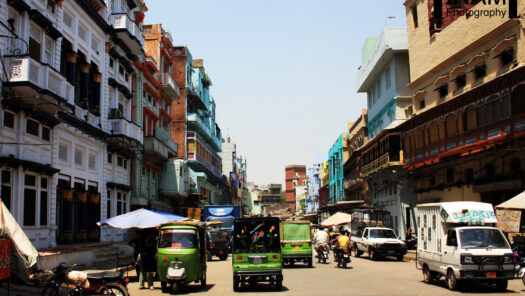
Whither “New Provinces?” The Fiscal Politics of Pakistan’s Federalism Debate
On July 30, 2026, Pakistan’s federalism debate abruptly resurfaced when Interior Minister Mohsin Naqvi told the Pakistan Economic Summit that the governance “system” had collapsed. His intervention reflected a broader view among proponents of administrative restructuring that persistent governance, development,…
Pakistan’s Solar Boom and Stagnation: Energy Governance and Security at a Crossroads
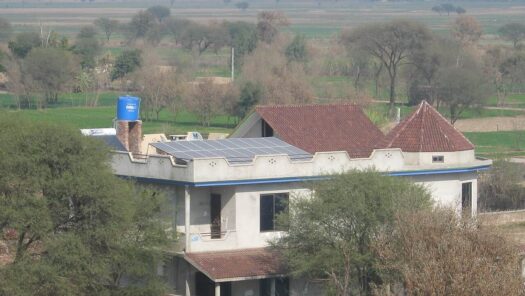
Pakistan has seen one of the fastest rooftop-solar expansions in the Global South in recent years, with net-metered rooftop capacity rising from under 1 GW in 2023 to approximately 4.9 GW by March 2025, and solar imports increasing to roughly…

जवाबदेही के बिना व्यवस्था: क्षेत्रीय स्थिरता पर पाकिस्तान के 27 वें संशोधन के निहितार्थ
पाकिस्तान की राष्ट्रीय विधायिका ने 12 नवंबर, 2025 को, विरोध प्रदर्शनों से भरे एक अस्त-व्यस्त सत्र के बाद, दो-तिहाई बहुमत प्राप्त करके, विवादित 27वें संविधान संशोधन को मंज़ूरी दे दी| सरकार और संशोधन समर्थकों ने यह तर्क देकर विवादास्पद परिवर्तनों को…
SAV Q&A with Muhib Rahman: Unpacking the Bangladesh Elections
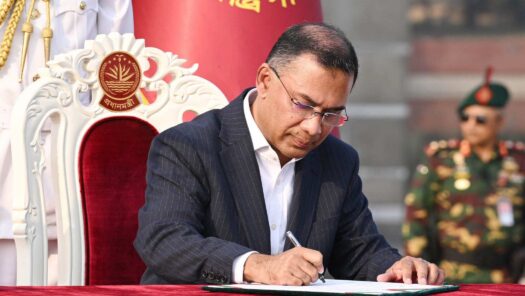
On February 12, Bangladesh held elections for the first time since the ouster of longtime leader Sheikh Hasina in August 2024. Voters delivered a supermajority in parliament to the Bangladesh Nationalist Party (BNP) and approved a referendum on the proposed…

Sri Lanka in 2025: Navigating Systemic Change, a Natural Disaster, and a Political Test for the NPP Government
The fallout from Cyclone Ditwah represents a major challenge for the NPP administration's governance reform agenda.

Nepal’s Political Dysfunction: Corruption, Exclusion, and Transactionalism
When Gen Z activists poured onto the streets of Kathmandu on September 8, Nepali state forces opened fire, killing at least 19 people and injuring nearly 300. In response to this violence, protests intensified the following day, and Prime Minister…