




Water
Return to article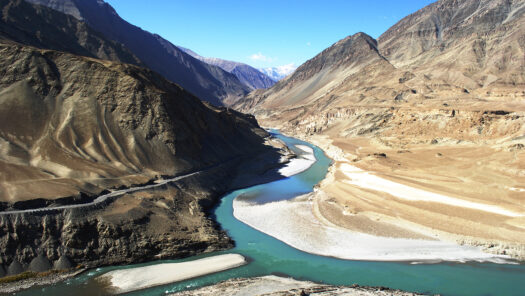
Water as a Political Weapon: Populism and the Indus Waters Treaty
Editor’s Note: This piece originally appeared in New Security Beat and has been republished with permission from the author and the editors. When Pakistan’s Field Marshal Asim Munir addressed the 276th Corps Commanders’ Conference at General Headquarters in Rawalpindi on…

Treaty at the Crossroads: Climate Pressures and the Future of Ganges Basin Water Governance
Of the 54 transboundary rivers India and Bangladesh share, only the Ganges has produced a formal water-sharing agreement, but on December 12, 2026, that agreement is due to expire. The Ganges Waters Treaty (GWT) between India and Bangladesh has governed…

Rethinking India-Pakistan CBMs after the May 2025 Conflict: A Water Security Lens
The May 2025 ceasefire ended the most serious India-Pakistan military confrontation in decades, but did not reverse one of the most consequential developments of the crisis. On April 23, 2025, in the immediate aftermath of the Pahalgam attack, India unilaterally suspended…
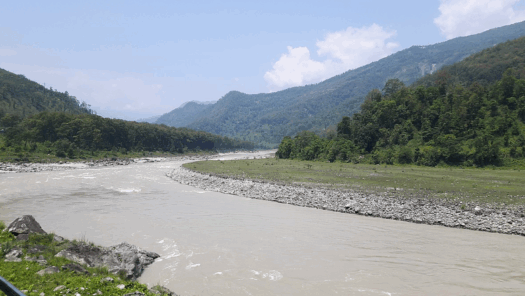
Water as a Multilateral Issue? The Case of Bangladesh and Implications for Indian Diplomacy
Even as India-Bangladesh ties have seen signs of economic and political stress in recent days and weeks, one recent development with bilateral implications went largely unnoticed. On June 20, Bangladesh became the first South Asian country to accede to the…
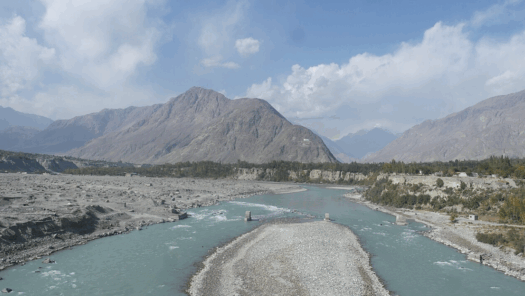
Strategic Waters: The Indus Treaty Abeyance and South Asia’s Hydropolitical Future
India's recent move to put the Indus Waters Treaty (IWT) in abeyance in the wake of the terrorist attack in Pahalgam on April 22 has caused a ripple in South Asia's hydro-diplomatic circles. Among the most striking moves in the…
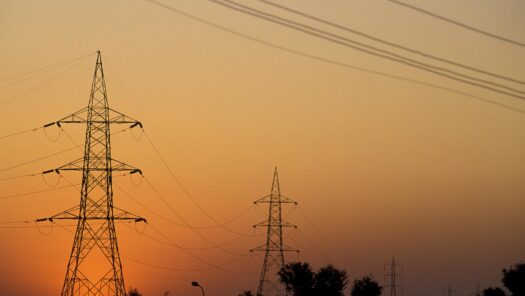
Protecting Critical Infrastructure in South Asia: Cyber Threats and Solutions
Today our lives are inextricably linked to the digital space; cyber governs almost everything we do. From simple text messages and email to booking a gym class or accessing health information via an app to controlling critical infrastructure, our interaction…