




Nepal
Return to article
Treaty at the Crossroads: Climate Pressures and the Future of Ganges Basin Water Governance
Of the 54 transboundary rivers India and Bangladesh share, only the Ganges has produced a formal water-sharing agreement, but on December 12, 2026, that agreement is due to expire. The Ganges Waters Treaty (GWT) between India and Bangladesh has governed…

BIMSTEC and the Challenge of Asymmetric Adoption
Long dismissed as “summit-driven” and superficial, the Bay of Bengal Initiative for Multi-Sectoral Technical and Economic Cooperation (BIMSTEC) is now beginning to deliver. On May 16, 2026, the BIMSTEC Secretariat confirmed that the Agreement on Maritime Transport Cooperation (AMTC), the…
After the Four-Day War: Defense Adaptation and Strategic Realignment Across South Asia
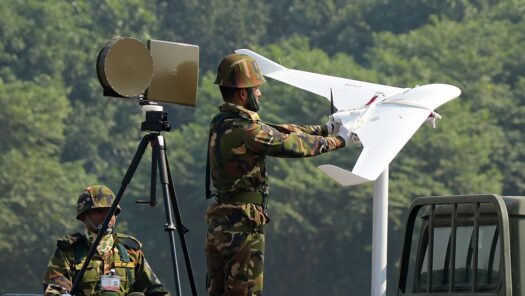
The May 2025 conflict between India and Pakistan lasted less than a week, but its aftershocks are still coursing through the region. The crisis saw the region's first live combat test of Chinese-manufactured J-10C fighters, PL-15 beyond-visual-range (BVR) missiles, and…

SAV Q&A with Sonia Awale: RSP Sweeps to Victory in Nepal
Nepal held elections on March 5, nearly six months after Gen Z protests led to the collapse of the government. The polls were touted as a clash between the legacy political establishment and a new generation frustrated by the persistent…
Political Flux in Nepal: Strategic Adjustments by India and China
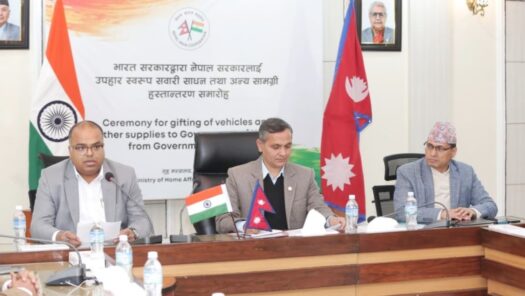
Following the dramatic political upheaval of September 2025, uncertainty reigns in Nepal ahead of elections planned for early March. In this moment of transition, the political, economic, and legal dimensions of the domestic crisis have received considerable attention, but the…

Nepal in 2025: A New Dawn?
The political unrest of 2025 marks yet another milestone along the wending path of democracy within Nepal’s recent history.