




Afghanistan-Pakistan
Return to article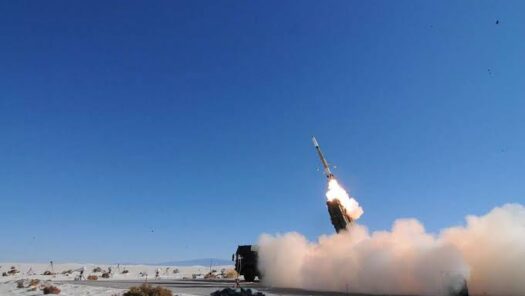
What Anthropic’s New Findings Mean for Pakistan’s Terrorism Threat and Way Forward
Anthropic’s recent report, “Detecting and Countering Misuse of AI: September 2026,” indicates that misuse of AI is not limited to creating deepfakes and propaganda videos, but is moving toward attempted weapon development, surveillance, and target identification. AI models can now…
Facing the TTP Drone Threat in Pakistan
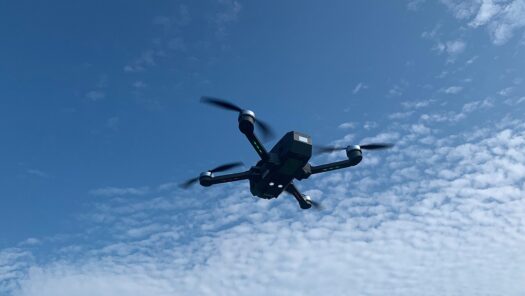
In recent years, drones have become a common sight in many areas of Khyber Pakhtunkhwa (KP), thanks in large part to their use by Tehreek-i-Taliban Pakistan (TTP) and their affiliates against Pakistani law enforcement agencies (LEAs). These groups have used…
पाकिस्तान-अफ़ग़ानिस्तान तनाव: एक क्षेत्रीय संकट के बीच खुला युद्ध
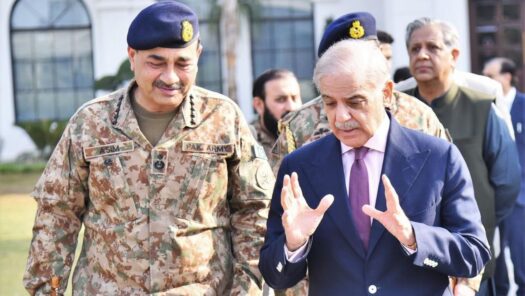
फ़रवरी के अंत में, इस्लामाबाद राजधानी क्षेत्र (आईसीटी) में मस्जिदों पर हुए आतंकवादी हमलों के उपरांत, तहरीक-ए-तालिबान पाकिस्तान (टीटीपी) पर आरोप लगाते हुए पाकिस्तान ने अफ़ग़ानिस्तान के सीमावर्ती प्रांतों पर हवाई प्रहार किए, जिसके अंतर्गत टीटीपी और इस्लामिक राज्य खुरासान…
Between Islamabad and Kabul: How Far Can Mediators Go?
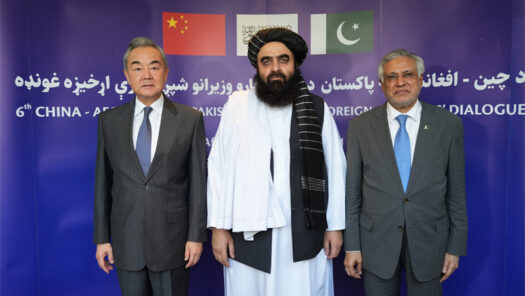
When kinetic conflict once again flared up between Pakistan and Afghanistan in late February 2026, China was one of the few third parties to offer its good offices to mediate in a region caught in the fallout of the U.S.-Israel-Iran…

سرحد پار حملے اور قانونی تضادات: پاکستان کا تزویراتی مخمصہ
پاکستان نے 21 فروری 2026 کو افغانستان میں 'انٹیلیجنس (خفیہ اطلاعات) کی بنیاد پر سات دہشت گرد کیمپوں اور پناہ گاہوں پرچُنندہ ہدفی' کارروائی کی۔ ان حملوں میں صوبۂ ننگرہار میں کم از کم 17 افراد ہلاک ہوئے، جبکہ طالبان…
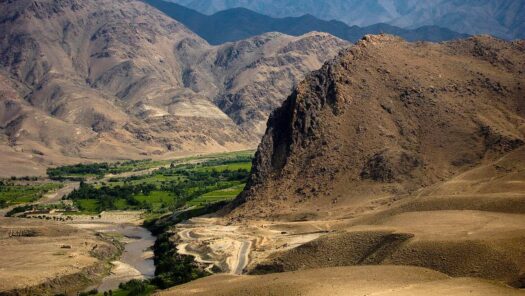
Beyond Bombing: Pakistan’s Sanctuary Problem in Afghanistan
Pakistan’s ongoing airstrikes in Kabul and Kandahar on Tehreek-e-Taliban Pakistan (TTP) and Taliban targets has marked a significant escalation in Islamabad’s post-2021 Afghanistan policy. Since the Taliban’s return to power, Pakistan largely relied on border controls and diplomatic pressure to…