




democracy
Return to article
India’s Youth Revolt Is Structural, Not Partisan
On July 25, protests in Delhi led by the satirically named Cockroach Janta Party (CJP) forced the resignation of India’s federal cabinet minister for education, Dharmendra Pradhan, after weeks of demonstrations over a leaked national medical college entrance examination (known as NEET). The protest…

SAV Q&A with Vijaita Singh: Protests, Politics, and Reform in Today’s India
The 37-day protest staged by the Cockroach Janta Party (CJP) about the leak of exam papers and education policy in India quickly became a referendum on India’s economy, state violence, and the Bhartiya Janata Party (BJP)’s hold on and approach…
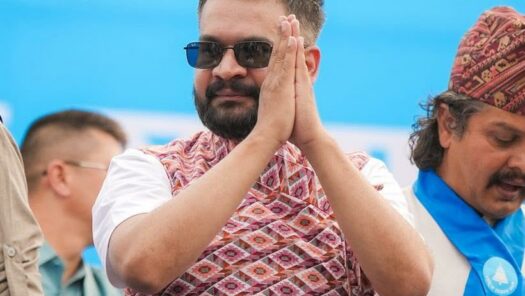
SAV Q&A with Sonia Awale: RSP Sweeps to Victory in Nepal
Nepal held elections on March 5, nearly six months after Gen Z protests led to the collapse of the government. The polls were touted as a clash between the legacy political establishment and a new generation frustrated by the persistent…
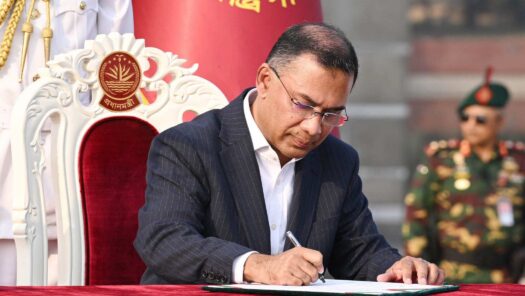
SAV Q&A with Muhib Rahman: Unpacking the Bangladesh Elections
On February 12, Bangladesh held elections for the first time since the ouster of longtime leader Sheikh Hasina in August 2024. Voters delivered a supermajority in parliament to the Bangladesh Nationalist Party (BNP) and approved a referendum on the proposed…

The Other Half of Democracy: Governing and Opposing in Bangladesh’s Democratic Transition
Bangladesh has lived through fifteen years of elections in which genuine political competition was progressively dismantled. Under Sheikh Hasina’s rule from 2009 to 2024, the country came to resemble what comparative political scientists describe as a competitive authoritarian regime: formal…

Nepal’s Political Dysfunction: Corruption, Exclusion, and Transactionalism
When Gen Z activists poured onto the streets of Kathmandu on September 8, Nepali state forces opened fire, killing at least 19 people and injuring nearly 300. In response to this violence, protests intensified the following day, and Prime Minister…