




Middle East
Return to article
South Asia’s Gulf Dependence: Lessons from the Iran War
The interim agreement between the United States and Iran brought cautious relief after nearly four months of war, but questions remain about what comes next. The accord, signed in mid-June 2026, extended the cessation of hostilities for 60 days while…
Embrace the Gulf but Engage Iran: How India Has Navigated the War
After over a month of conflict, the U.S.-Israel-Iran war entered a two-week pause on April 8. Across this period, India has been significantly impacted given its reliance on Gulf Arab states for its crude, natural gas and fertilizer needs. The…
Walking the Tightrope: India in the U.S.-Israel-Iran Fire
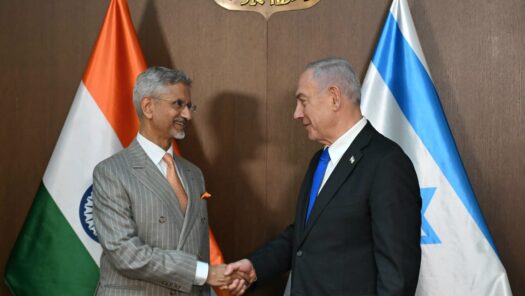
The U.S.-Israel-Iran conflict, notwithstanding the temporary ceasefire, has once again drawn India into complex diplomatic terrain that demands restraint. Official statements from India’s Ministry of External Affairs have remained consistent, including expressions of “deep concern,” calls for de-escalation, and emphasis…
Pakistan’s Bridge-Building Diplomacy in the Middle East
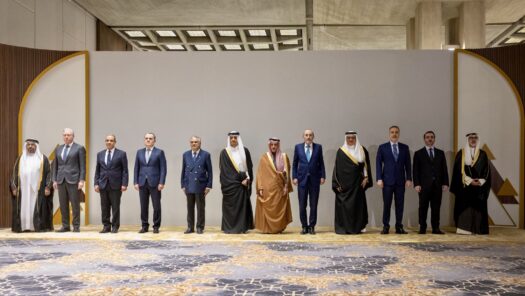
Pakistan has emerged as a key player in the Middle East war by positioning itself as a “bridge-builder.” By advocating de-escalation between Saudi Arabia and Iran as well as reportedly serving as a messenger between the United States and Iran,…
Risk and Resilience: India’s Energy Security in a Volatile Middle East
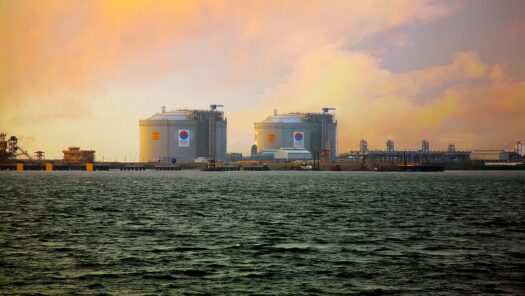
Renewed conflict in the Middle East has once again underscored the enduring link between geopolitical instability and global energy markets. As tensions escalate in a region central to global hydrocarbon supply and maritime energy trade, concerns have resurfaced over disruptions…

پاک-سعودی دفاعی معاہدے کو بھارت کس نظر سے دیکھتا ہے: تاریخی محرکات اور مستقبل کے خدشات
حال ہی میں اعلان کردہ پاک-سعودی اسٹریٹیجک میوچول ڈیفنس ایگریمنٹ (ایس ڈی ایم اے) تزویراتی باہمی دفاعی معاہدہ بہت سے مشاہدین کے لیےباعثِ حیرت تھا۔ نو زائیدہ ’’اسلامی نیٹو‘‘ یا مسلم ممالک کے اجتماعی فوجی اتحاد سے متعلق بات چیت…