




Nuclear Security
Return to article
परमाणु ऊर्जा क्षेत्र में भारत का निर्णायक मोड़: निजी भागीदारी हेतु क्यों नियामक पुनर्गठन की आवश्यकता
दशकों से, भारत में परमाणु ऊर्जा एक राज्य-नियंत्रित क्षेत्र रहा है, जिसका नियामक ढांचा राष्ट्रीय सुरक्षा अनिवार्यताओं, सुरक्षा चिंताओं और देयता जोखिमों द्वारा उचित ठहराया गया है| आज, भारत द्वारा नागरिक परमाणु ऊर्जा में निजी क्षेत्र की भागीदारी की अनुमति…
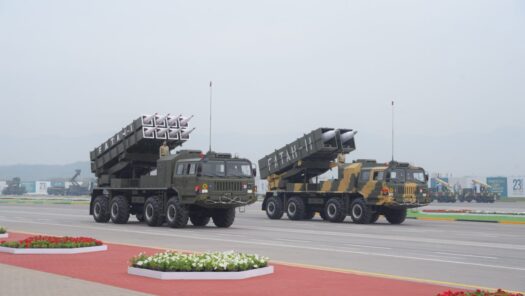
بجھاؤ یا جلاؤ؟ پاکستان کی راکٹ فورس اور جنوبی ایشیا میں انسداد کامخمصہ
بھارت کے ساتھ مئی 2025 کے تنازعے کے فوراً بعد جس میں پاکستان نے فوجی اہداف کے خلاف گائیڈڈ فتح راکٹ سیریز کا استعمال کیا، اسلام آباد کا اپنے 78ویں یوم آزادی کے موقع پر آرمی راکٹ فورس کمانڈ (اے…

The Role of Status in the Pak-Saudi Defense Pact
Ever since its announcement in September, the substance, timing, and regional security repercussions of the Saudi Arabia-Pakistan Strategic Mutual Defense Agreement (SMDA) have generated much scholarly debate. Much of the analysis from Pakistani commentators seeks to undermine the agreement as…
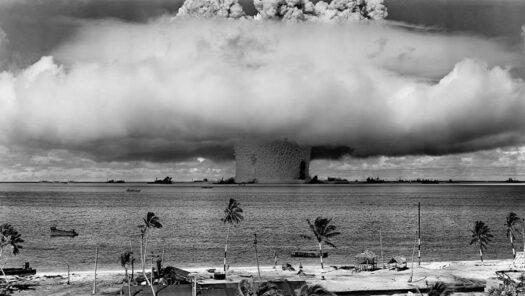
India and the Debate on Explosive Nuclear Testing: Strategic Opportunity or Costly Mistake?
Recent remarks by U.S. President Donald Trump about the necessity to resume explosive nuclear testing have sparked a global debate on the legacy of Cold War-era nuclear testing and the crumbling global nuclear order. Trump’s claim that several countries—including Pakistan—have…

The 27th Amendment and Pakistan’s Emerging Military Posture
While debates around the 27th Constitutional Amendment have focused on its political motivations and civil-military implications, the more consequential shift lies in its strategic reorientation of Pakistan’s defense architecture. Elevating the chief of army staff (COAS) to chief of defense forces…
Firebreak or Fuse? Pakistan’s Rocket Force and the Deterrence Dilemma in South Asia
Hot on the heels of its May 2025 conflict with India, in which Pakistan used the guided Fatah rocket series against military targets, Islamabad’s announcement of the formation of the Army Rocket Force Command (ARFC) on the eve of its…