


Climate Change
Return to article
Nepal’s Loss and Damage Claim After the Bhotekoshi-Trishuli Disaster: A Timely Decision, Yet Structural Gaps Remain
On August 26, 2026, a massive rock-ice avalanche in Nepal’s Rasuwagadhi border region, large enough to register a seismic signal equivalent to a magnitude 5.2 earthquake, triggered an extreme debris torrent that cascaded more than 150 kilometers down the Bhotekoshi-Trishuli…

Treaty at the Crossroads: Climate Pressures and the Future of Ganges Basin Water Governance
Of the 54 transboundary rivers India and Bangladesh share, only the Ganges has produced a formal water-sharing agreement, but on December 12, 2026, that agreement is due to expire. The Ganges Waters Treaty (GWT) between India and Bangladesh has governed…
Pakistan’s Solar Boom and Stagnation: Energy Governance and Security at a Crossroads
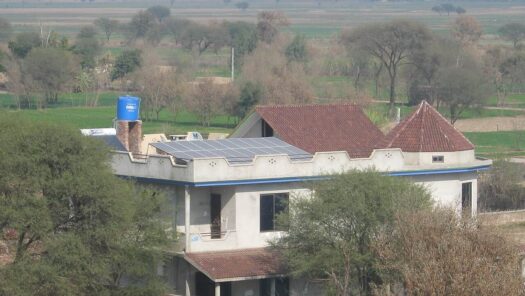
Pakistan has seen one of the fastest rooftop-solar expansions in the Global South in recent years, with net-metered rooftop capacity rising from under 1 GW in 2023 to approximately 4.9 GW by March 2025, and solar imports increasing to roughly…

Nepal in 2025: A New Dawn?
The political unrest of 2025 marks yet another milestone along the wending path of democracy within Nepal’s recent history.
Water as a Multilateral Issue? The Case of Bangladesh and Implications for Indian Diplomacy
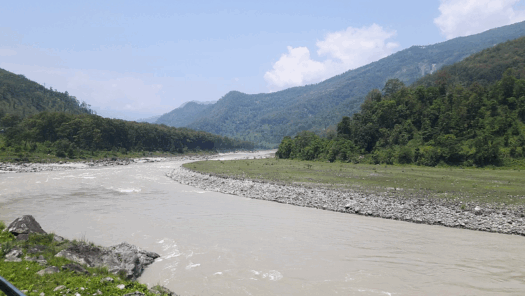
Even as India-Bangladesh ties have seen signs of economic and political stress in recent days and weeks, one recent development with bilateral implications went largely unnoticed. On June 20, Bangladesh became the first South Asian country to accede to the…
Can the Indus Waters Treaty Be Held in Abeyance? What the Law Allows
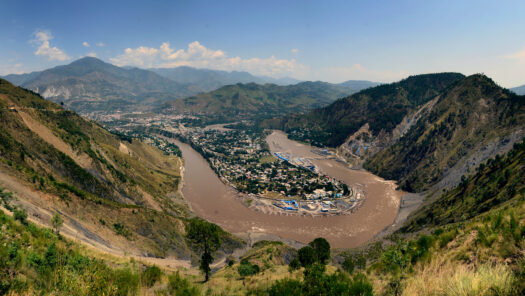
Two days after the April 22 attack in Pahalgam in Indian-administered Kashmir, New Delhi declared that its participation in the 1960 Indus Waters Treaty (IWT) would be “held in abeyance” until Pakistan “credibly and irrevocably abjures ” with cross-border terrorism.…