




Development
Return to article
Colombo Port City and the Diminishing Scope of Sri Lankan Policy Autonomy
Colombo Port City began as a promise of transformation, but it has become a measure of Sri Lanka’s constrained autonomy. Built on 269 hectares of reclaimed land beside Colombo’s central business district, the Chinese-backed project is designed as a Special…
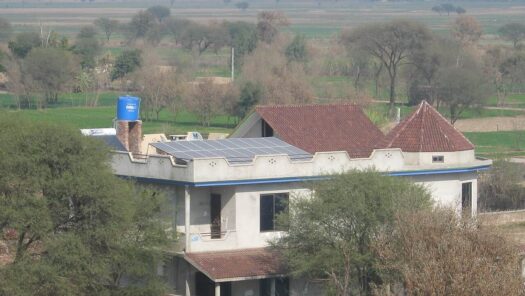
Pakistan’s Solar Boom and Stagnation: Energy Governance and Security at a Crossroads
Pakistan has seen one of the fastest rooftop-solar expansions in the Global South in recent years, with net-metered rooftop capacity rising from under 1 GW in 2023 to approximately 4.9 GW by March 2025, and solar imports increasing to roughly…

SAV Q&A with Sonia Awale: RSP Sweeps to Victory in Nepal
Nepal held elections on March 5, nearly six months after Gen Z protests led to the collapse of the government. The polls were touted as a clash between the legacy political establishment and a new generation frustrated by the persistent…

طالبان کے زیر انتظام افغانستان کے ساتھ بھارت کی رابطہ کاری
افغانستان کے استحکام میں بھارت کی دیرینہ دلچسپی رہی ہے اور یہ جغرافیائی سیاسی ضرورت کے باعث بھی ہے۔حالیہ مہینوں میں نئی دہلی نے افغانستان میں طالبان حکومت کے ساتھ رابطہ کاری کے لئے محتاط اقدامات کیے ہیں تاکہ اپنے…
India’s Engagement with Taliban-administered Afghanistan
India has had a longstanding interest in the stability of Afghanistan, in no small part out of geopolitical necessity. In recent months, New Delhi has taken calculated measures to engage with the Taliban regime in Afghanistan to shore up its…

The India-EU Free Trade Agreement: Contours, Complications, and Regional Spillovers
The conclusion of the India–European Union Free Trade Agreement (FTA) in January 2026 marks one of the most consequential shifts in India’s post-1991 trade strategy. After nearly two decades of negotiations, New Delhi and Brussels have forged an agreement that…