




Gulf
Return to article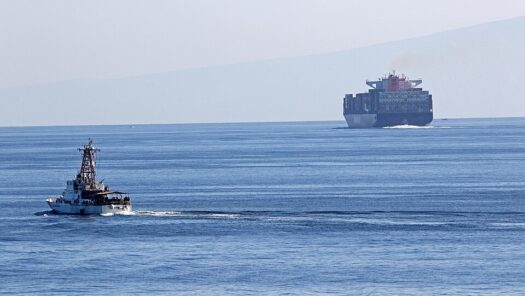
South Asia’s Gulf Dependence: Lessons from the Iran War
The interim agreement between the United States and Iran brought cautious relief after nearly four months of war, but questions remain about what comes next. The accord, signed in mid-June 2026, extended the cessation of hostilities for 60 days while…
مشرقِ وسطیٰ میں پاکستان کی رابطہ ساز سفارت
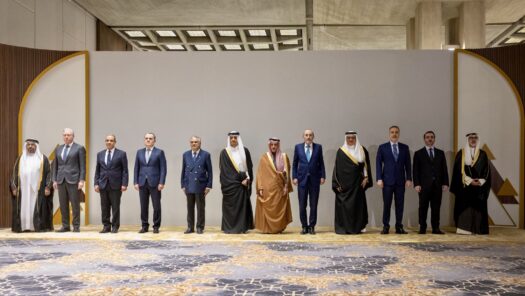
پاکستان نے خود کو ’’پل بنانے والے (رابطہ ساز)‘‘ کے طور پر پیش کر کے مشرقِ وسطیٰ کی جنگ میں ایک کلیدی کردار کی حیثیت اختیار کر لی ہے۔ سعودی عرب اور ایران کے درمیان کشیدگی کم کرنے کی حمایت…
Embrace the Gulf but Engage Iran: How India Has Navigated the War
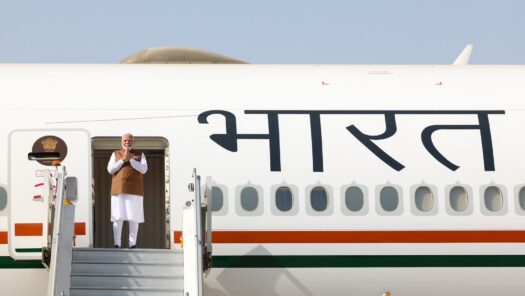
After over a month of conflict, the U.S.-Israel-Iran war entered a two-week pause on April 8. Across this period, India has been significantly impacted given its reliance on Gulf Arab states for its crude, natural gas and fertilizer needs. The…
Pakistan’s Bridge-Building Diplomacy in the Middle East
Pakistan has emerged as a key player in the Middle East war by positioning itself as a “bridge-builder.” By advocating de-escalation between Saudi Arabia and Iran as well as reportedly serving as a messenger between the United States and Iran,…
Crisis in the Corridor: Stress-Testing India’s Minilateral Strategy in the Gulf
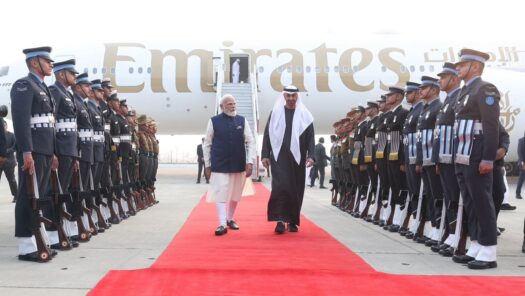
From the Silk Road to the Suez Canal, trade corridors have long served as geopolitical architectures that shape power, forge alignments, and produce dependencies. Over the past few years, emerging frameworks such as the India, Israel, United Arab Emirates, and…
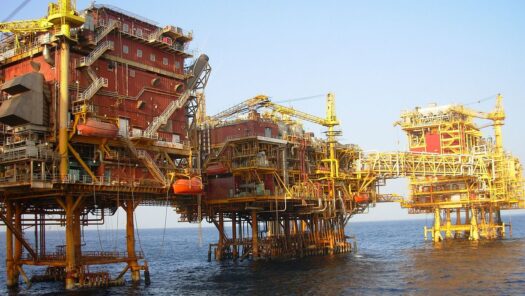
Dollar, Yuan, and Future of Petrocurrency: The Impact of Oil Politics on South Asia
Global oil politics today are creating political and economic allegiances that are reminiscent of the Cold War era. Russia, China, the United States, and the Middle East have created a global Petro-bloc which is highly politicized, with all parties trying…