




India-China
Return to article
Taking Stock of India-China Relations: Structural Divergences and the Limits of Diplomacy
President Xi Jinping’s latest visit to New Delhi to participate in the BRICS summit in September 2026, his first visit to India in seven years, came in the wake of increasing speculation of a recent thaw in India-China relations. This…
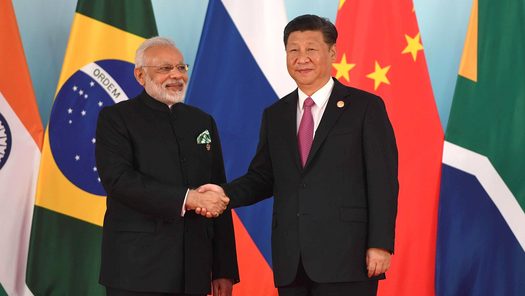
SAV Q&A with Pallavi Aiyar: Modi-Xi’s BRICS Meeting and India-China Relations
On September 12, 2026, China’s President Xi Jinping came to India for the first time in seven years to attend the BRICS summit in New Delhi. The India-China relationship has changed quite dramatically since Xi’s last visit in 2019: the…
جنوبی ایشیا کے جوہری(موقف میں) تبدیلی: نئی دہلی اور بیجنگ حالتِ امن کے اپنے قدغن کیوںکر توڑ رہے ہیں
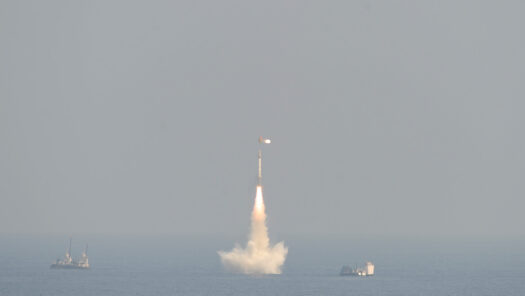
سٹاک ہوم انٹرنیشنل پیس ریسرچ انسٹی ٹیوٹ (ایس آئی پی آر آئی) کے سال نامہ 2026 نے حال ہی میں خبر دی کہ بھارت نے 2025 میں اپنے ایٹمی اسلحے کا ذخیرہ 180 سے بڑھا کر 190 کر دیا ہے۔ لیکن…
दक्षिण एशिया का परमाणु परिवर्तन: नई दिल्ली और बीजिंग शांति काल के निषेधन को क्यों लांघ रहे हैं
स्टॉकहोम इंटरनेशनल पीस रिसर्च इंस्टीट्यूट (एसआईपीआरआई) की वार्षिक रिपोर्ट-2026 से ज्ञात होता है कि भारत ने 2025 में अपने परमाणु शस्त्रागार का विस्तार 180 से बढ़ाकर 190 कर दिया है। परंतु, सबसे चौंकाने वाली बात यह थी कि भारत पहली…

The Succession of the Dalai Lama and Geopolitical Uncertainty in South Asia
As His Holiness the 14th Dalai Lama enters the final phase of an extraordinary life, following celebrations for his 91st birthday in July 2026, global attention is increasingly shifting from the individual to the institution he represents. The debate over…
India’s Pragmatic Engagement with Myanmar: Opportunities for the QUAD?
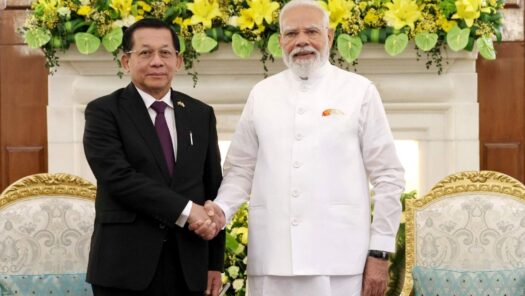
In June 2026, former Myanmar Tatmadaw leader and current head of the new administration, Min Aung Hlaing, paid his first state visit to India in his first foreign visit following the military-run elections in December 2025-January 2026. During the five-day…