




Maritime
Return to article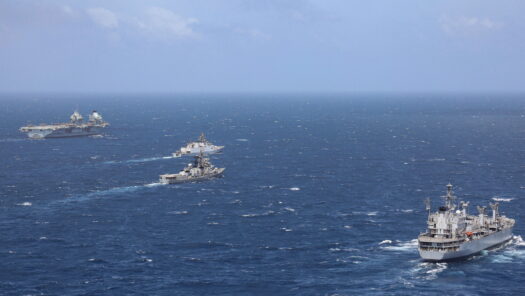
संवेदक, भेदक, और समुद्री शक्ति: भारत और पाकिस्तान की नौसैनिक मारक श्रृंखला
उत्तरी हिंद महासागर एक ऐसा कार्यक्षेत्र है जो विशाल विस्तार, असमान जोखिम, विरोधी के आशय को लेकर अनिश्चितता और उन्नत सैन्य तकनीकों के प्रसार के लिए जाना जाता है। इस माहौल में, भारत और पाकिस्तान की समुद्री सेनाओं का विकास…

نام سے بڑھ کر: بحرِ ہند کے علاقے میں امریکہ-بھارت کےمجموعی تعاون کو بہتر بنانا
جون 2025 میں امریکہ کے محکمہ جنگ نے اعلان کیا کہ قومی سلامتی کے اہداف کے حصول کے لیے ایشیا پیسیفک ( ایشیا-بحر الکاہل کے علاقے) میں (تعینات) امریکہ کی افواج کے انضمام کے لیے 1947 میں قائم کی گئی…
Sensors, Shooters, and Sea Power: Naval Kill Chains of India and Pakistan
The northern Indian Ocean is an operating environment characterized by vast space, asymmetric threats, uncertainty about adversary intentions, and the proliferation of advanced military technologies. In this environment, the development of India’s and Pakistan’s respective maritime forces reflects their efforts…
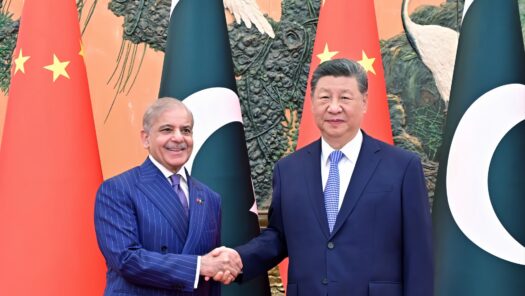
پسِ پردہ: پاکستان کی ہنگور آبدوز اور جنوبی ایشیا میں بحری مزاحمت
پاکستان نے 30 اپریل کو چین کے رسمی دورے کے دوران ہنگور کلاس کی آٹھ آبدوزوں میں سے پہلی کو (بحری دستے میں) شامل (کمیشن) کیا، جس موقع کو پاکستانی صدر آصف علی زرداری نے بحریہ (نیوی) کے لیے 'تاریخی…
Moving Beyond Nomenclature: Enhancing U.S.-India Holistic Cooperation in the Indian Ocean Region
In June 2025, the United States’ Department of War announced that it had renamed the Indo-Pacific Command (INDOPACOM), a geographic combatant command established in 1947 to integrate U.S. forces in Asia-Pacific in service of national security objectives, back to its…
सतह के नीचे: पाकिस्तान की हैंगोर पनडुब्बी और दक्षिण एशिया में समुद्री प्रतिरोध
30 अप्रैल को, पाकिस्तान ने चीन की आधिकारिक यात्रा के दौरान आठ हैंगोर-श्रेणी की पनडुब्बियों में से प्रथम पनडुब्बी को पाकिस्तानी नौसेना में समिल्लित किया। पाकिस्तानी राष्ट्रपति आसिफ़ अली ज़रदारी ने इस अवसर को नौसेना के लिए एक "ऐतिहासिक मील…