




Iran
Return to article
इस्लामाबाद मेमोरेंडम के बिना दुनिया
अमेरिका और ईरान के बीच तनाव चरम पर पहुँच रहा है| ऐसे में दुनिया समाधान के लिए क़तर और ओमान के साथ-साथ पाकिस्तान की ओर भी देख रही है। अमेरिकी राष्ट्रपति डोनाल्ड ट्रंप ने अमेरिकी हमलों को रोकने पर सहमति…
The World Without the Islamabad Memorandum
As tensions between the United States and Iran approach the breaking point, the world is looking to Pakistan, alongside Qatar and Oman, in search of solutions. U.S. President Donald Trump has agreed to pause U.S. strikes, offering a fragile window…
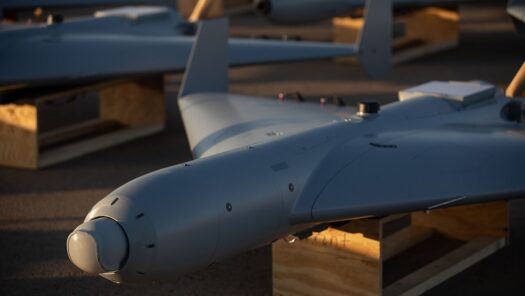
مغربی ایشیا میں فضائی جنگ: پاکستان کے لیے اسباق
28 فروری 2026 کو امریکہ اور اسرائیل کا ایران پر حملے کا آغاز ایران کے فضائی دفاعی نظامات کو کمزور کرنے، فضائی برتری حاصل کرنے اور ایران کے مختلف مقامات کو جنگی حکمتِ عملی کے تحت نشانہ بنانے کے لیے…
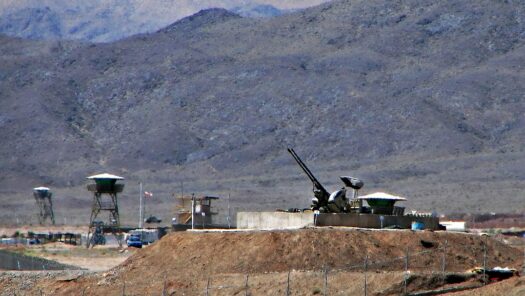
परमाणु संयम का क्षरण: नतान्ज़ से दक्षिण एशिया के अगले संकट तक
ईरान की नतान्ज़ यूरेनियम संवर्धन सुविधा पर हुए अमेरिका-इज़रायल के प्रहार और डिमोना के समीप इज़रायल की अपनी परमाणु संवर्धन सुविधा को निशाना साधकर किए गए ईरानी हमले, वैश्विक परमाणु राजनीति में एक तीव्र और ख़तरनाक बदलाव को प्रदर्शित करते…
The Air War in West Asia: Lessons for Pakistan
The U.S. and Israeli attack against Iran starting on February 28, 2026, aimed to degrade Iranian air defense systems, achieve air superiority, and strategically target sites across Iran. Given its lack of air defense integration and outdated air force, Iran…
Eroding Nuclear Restraint: From Natanz to South Asia’s Next Crisis
The recent U.S.-Israel attack on Iran’s Natanz uranium-enrichment facility and the Iranian attack targeting Israel’s own nuclear enrichment facility near Dimona reflect an accelerating and dangerous shift in global nuclear politics: the erosion of the international norm against attacking critical…