




Nuclear Energy
Return to article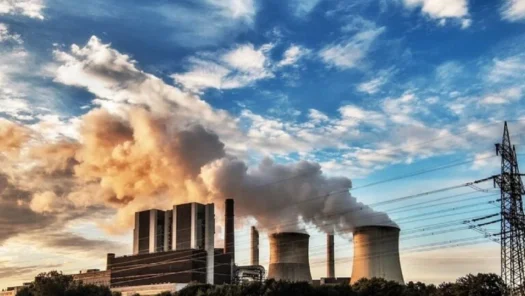
Nuclear Energy in Pakistan: Navigating the Vision 2050
In September 2026, Pakistan signed a facility-specific safeguards agreement with the International Atomic Energy Agency (IAEA) for its upcoming 1200 MWe Nuclear Power Plant (NPP), the Chashma Nuclear Power Plant-5 (CHASNUPP-5). It will be the seventh and largest NPP in…
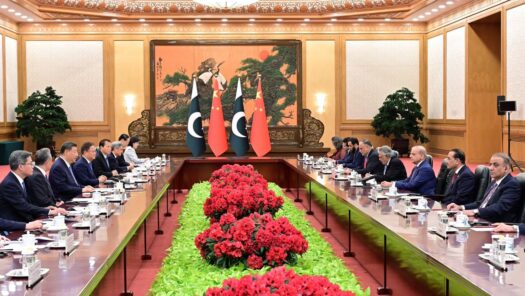
औद्योगिक यथार्थवाद: भारत, चीन और आपूर्ति श्रृंखला विच्छेद की सीमाएँ
जब भारत के केंद्रीय मंत्रिमंडल ने 10 मार्च, 2026 को अपनी प्रत्यक्ष विदेशी निवेश (एफ़डीआई) नीति में परिवर्तन करते हुए सात विनिर्माण क्षेत्रों में चीनी औद्योगिक निवेश के लिए 60 दिवसीय त्वरित स्वीकृति देने वाली व्यवस्था प्रारम्भ की, तो इस…
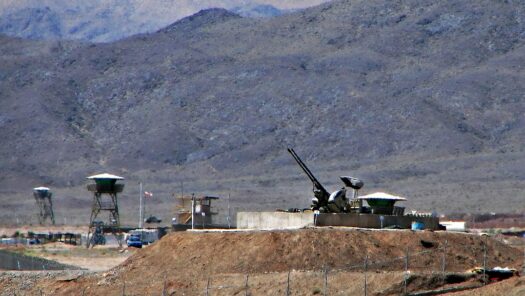
परमाणु संयम का क्षरण: नतान्ज़ से दक्षिण एशिया के अगले संकट तक
ईरान की नतान्ज़ यूरेनियम संवर्धन सुविधा पर हुए अमेरिका-इज़रायल के प्रहार और डिमोना के समीप इज़रायल की अपनी परमाणु संवर्धन सुविधा को निशाना साधकर किए गए ईरानी हमले, वैश्विक परमाणु राजनीति में एक तीव्र और ख़तरनाक बदलाव को प्रदर्शित करते…
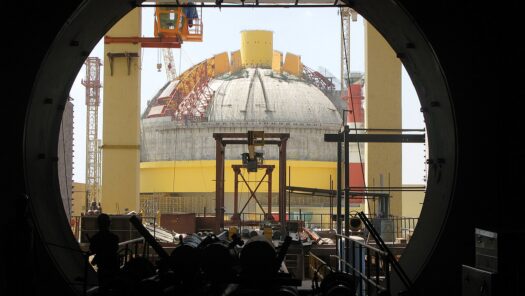
India’s Prototype Fast Breeder Reactor: What Makes Pakistan Anxious?
Editor's Note: This article is the second part of a two-part series on India's Prototype Fast Breeder Reactor. Read the first part here. On April 6, 2026, India’s Prototype Fast Breeder Reactor (PFBR) reached criticality. Initially scheduled for 2010, the…

Breeding Power: India’s Nuclear Energy Breakthrough
On April 6, India’s indigenous 500MWe Prototype Fast Breeder Reactor (PFBR) at Kalpakkam, Tamil Nadu, achieved first criticality—the point at which a controlled, self-sustaining nuclear fission chain reaction begins.

परमाणु ऊर्जा क्षेत्र में भारत का निर्णायक मोड़: निजी भागीदारी हेतु क्यों नियामक पुनर्गठन की आवश्यकता
दशकों से, भारत में परमाणु ऊर्जा एक राज्य-नियंत्रित क्षेत्र रहा है, जिसका नियामक ढांचा राष्ट्रीय सुरक्षा अनिवार्यताओं, सुरक्षा चिंताओं और देयता जोखिमों द्वारा उचित ठहराया गया है| आज, भारत द्वारा नागरिक परमाणु ऊर्जा में निजी क्षेत्र की भागीदारी की अनुमति…