




Archive
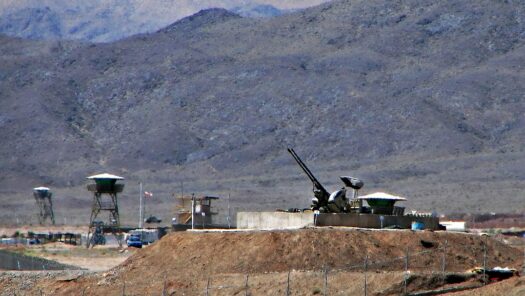
Eroding Nuclear Restraint: From Natanz to South Asia’s Next Crisis
The recent U.S.-Israel attack on Iran’s Natanz uranium-enrichment facility and the Iranian attack targeting Israel’s own nuclear enrichment facility near Dimona reflect an accelerating and dangerous shift in global nuclear politics: the erosion of the international norm against attacking critical…
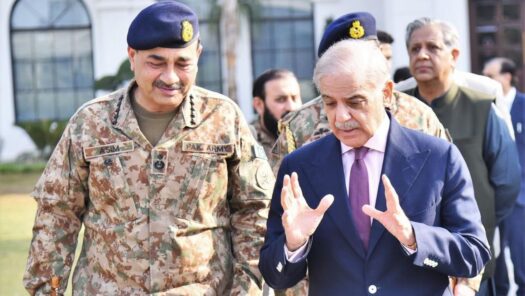
पाकिस्तान-अफ़ग़ानिस्तान तनाव: एक क्षेत्रीय संकट के बीच खुला युद्ध
फ़रवरी के अंत में, इस्लामाबाद राजधानी क्षेत्र (आईसीटी) में मस्जिदों पर हुए आतंकवादी हमलों के उपरांत, तहरीक-ए-तालिबान पाकिस्तान (टीटीपी) पर आरोप लगाते हुए पाकिस्तान ने अफ़ग़ानिस्तान के सीमावर्ती प्रांतों पर हवाई प्रहार किए, जिसके अंतर्गत टीटीपी और इस्लामिक राज्य खुरासान…
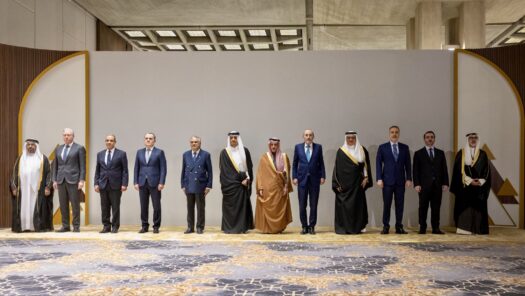
مشرقِ وسطیٰ میں پاکستان کی رابطہ ساز سفارت
پاکستان نے خود کو ’’پل بنانے والے (رابطہ ساز)‘‘ کے طور پر پیش کر کے مشرقِ وسطیٰ کی جنگ میں ایک کلیدی کردار کی حیثیت اختیار کر لی ہے۔ سعودی عرب اور ایران کے درمیان کشیدگی کم کرنے کی حمایت…
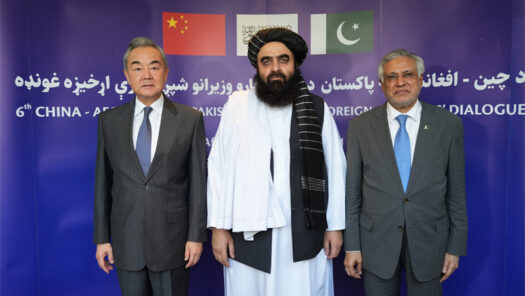
Between Islamabad and Kabul: How Far Can Mediators Go?
When kinetic conflict once again flared up between Pakistan and Afghanistan in late February 2026, China was one of the few third parties to offer its good offices to mediate in a region caught in the fallout of the U.S.-Israel-Iran…

SAV Q&A with Fahd Humayun: Pakistan and the “Islamabad Process”
On April 16, South Asian Voices spoke with Dr. Fahd Humayun about Pakistan's role as mediator and the prospects for the Pakistan-led peace process.
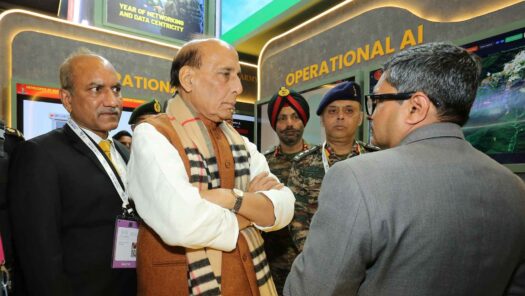
Artificial Intelligence, Targeting, and Escalation Risks in the India-Pakistan Environment
The U.S.-Israel-Iran war demonstrates that artificial intelligence (AI) is increasingly shaping military decision-support and targeting processes. In the conflict, the United States has reportedly employed AI tools that analyze large volumes of satellite, drone, and intelligence data to assist in…